
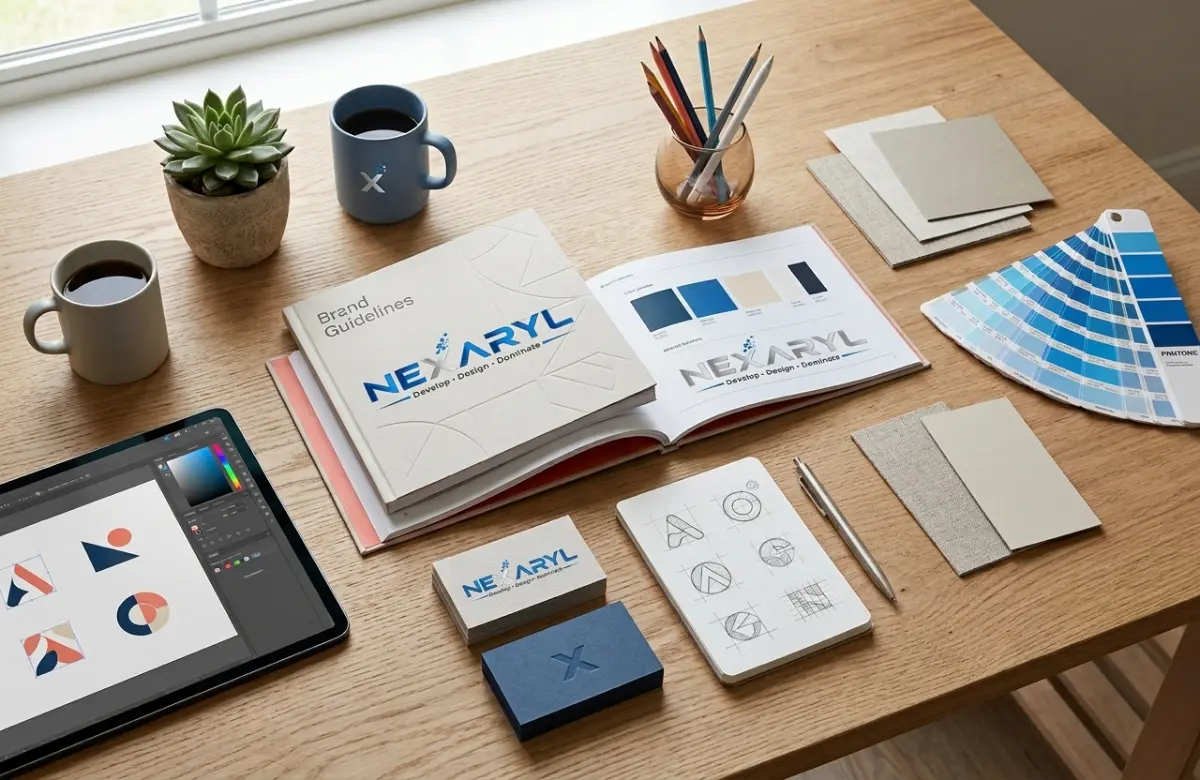
A business can offer excellent products or services, but if its visual presence feels unclear, inconsistent, or unprofessional, customers may struggle to trust it. Many companies make the mistake of thinking that having a logo means they have a complete brand identity. However, a logo alone cannot communicate the full story of a business. Customers interact with brands through websites, social media, advertisements, packaging, and marketing materials, and every interaction shapes their perception.
This is where brand identity design becomes important. It creates a complete visual system that represents a business consistently and helps customers recognize, remember, and trust the brand. A professional brand identity combines elements such as logo design, colors, typography, imagery, and brand guidelines to create a clear identity that supports business growth. For companies that want to build a strong market presence, professional brand identity design provides the foundation for consistent communication and stronger customer connections.
What Is Brand Identity Design?
Brand identity design is the process of creating the visual elements and design system that represent a business. It defines how a company presents itself visually and how customers recognize it across different platforms. Instead of focusing on one design element, such as a logo, brand identity design creates a complete system where every visual component works together.
A strong brand identity reflects a company’s personality, values, and position in the market. It helps customers understand what a business represents before they even interact with its products or services. For example, a technology company may use clean layouts, modern typography, and simple visuals to communicate innovation, while a premium brand may use refined colors and elegant designs to create a sense of quality.
A professional brand identity system usually includes a logo system, brand colors, typography, imagery style, graphic elements, and brand guidelines. These elements work together to create a consistent experience wherever customers see the brand. The main purpose of brand identity design is to make a business recognizable and create a professional image that customers can connect with.
Brand Identity vs Branding vs Logo Design: What’s the Difference?
Many businesses confuse branding, brand identity, and logo design because these terms are closely connected. Understanding the difference helps companies make better decisions when investing in their visual presence.
| Term | Meaning |
| Branding | The overall process of shaping how customers perceive a business |
| Brand Identity | The visual and communication elements a business creates to represent itself |
| Logo Design | A single visual element that identifies the business |
Branding
Branding is the complete process of building a relationship between a business and its audience. It includes the company’s messaging, customer experience, reputation, marketing approach, and visual presentation. A brand is created through every interaction customers have with a company. The way a business communicates, delivers services, and presents itself all contribute to its overall brand perception.
Brand Identity
Brand identity is the part of branding that customers can see and recognize. It includes the visual elements that create a consistent appearance for the business.
A complete brand identity includes:
- Logo system
- Brand colors
- Typography
- Visual style
- Brand imagery
- Design guidelines
These elements help customers identify the company and differentiate it from competitors.
Logo Design
A logo is an important part of brand identity, but it represents only one piece of the complete system. A business with a professionally designed logo but inconsistent colors, fonts, and visuals may still appear unorganized. A complete brand identity ensures that the logo works together with other visual elements to create a consistent and memorable brand experience.
What Are the Core Elements of Brand Identity Design?
A successful brand identity is created by combining multiple design elements into one connected system. Each element has a specific role in communicating the personality and message of a business.

Logo System and Brand Marks
The logo is often the first element customers associate with a business, but professional brand identity design focuses on creating a complete logo system rather than a single logo file. A logo system may include different versions that work across various applications. A business may use a full logo on its website, a smaller logo variation on social media, and a simple brand mark for app icons or profile images.
A well-developed logo system considers practical usage, ensuring the brand remains recognizable whether it appears on a large billboard, a website header, or a small digital screen. Professional logo design also includes clear rules for spacing, sizing, and proper usage so the logo maintains its quality across different platforms.
Brand Colors and Typography
Colors and typography play a major role in how customers perceive a brand. They influence the overall mood and help create recognition. A professional color palette usually includes primary colors, secondary colors, and supporting shades that maintain consistency across marketing materials. The selected colors should match the personality of the business and create the right impression among its target audience.
Typography also shapes brand communication. The fonts a business uses can make a brand appear modern, professional, creative, or traditional. A typography system defines how fonts are used across headings, body text, advertisements, and digital content. When colors and typography are used consistently, customers begin to associate those visual elements with the business.
Brand Visual Style and Imagery
A brand identity is also shaped by the way a business uses images, graphics, and other visual elements. Brand imagery creates a recognizable style that supports the company’s message. This includes photography style, illustrations, icons, patterns, shapes, and graphic layouts. For example, a healthcare company may use clean and trustworthy imagery, while a creative agency may use bold graphics and expressive visuals.
A consistent visual style helps businesses maintain a professional appearance across websites, social media platforms, and marketing campaigns.
Brand Guidelines and Design Rules
Brand guidelines are the document that explains how a company’s identity should be used. They help businesses maintain consistency as they grow and create more marketing materials. A brand style guide usually explains logo usage, color codes, typography rules, imagery direction, and design standards.
Without guidelines, different designers, employees, or marketing teams may create materials that look unrelated. This weakens brand recognition because customers see inconsistent versions of the same company. A clear set of brand guidelines protects the identity and ensures every customer interaction feels connected.
Why Does Brand Identity Design Matter for Businesses?
A strong brand identity gives businesses a clear and professional way to communicate who they are, what they offer, and why customers should choose them. In competitive markets, customers often make quick judgments based on how a company presents itself visually. A consistent identity helps businesses create a stronger first impression, build familiarity, and develop trust over time.
Brand identity design connects different visual elements, including logos, colors, typography, imagery, and design standards, into one unified system. When these elements work together, businesses can create a recognizable presence that supports marketing efforts and improves customer perception.
Builds Brand Recognition and Customer Recall
Customers are more likely to remember businesses that maintain a consistent visual identity. When people repeatedly see the same logo style, colors, typography, and visual elements across different platforms, those design choices become associated with the company.
Brand recognition is especially important in crowded markets where customers have many options. A recognizable identity helps a business stay familiar in the minds of potential customers, making it easier for them to identify the company when they need its products or services.
For example, a customer may recognize a brand from its colors, logo shape, or design style before reading the company name. This level of familiarity is created through consistent brand identity rather than a single design element.
Creates Trust and Professional Credibility
Customers often associate a professional appearance with a reliable business. A well-developed brand identity shows that a company understands its image and pays attention to the details that influence customer experience.
This is particularly important for service-based businesses where customers usually evaluate credibility before making contact. A consistent website design, professional marketing materials, and clear visual communication can make a business appear more established and trustworthy.
A strong identity helps communicate professionalism before a customer has their first conversation with the company. It creates confidence that the business is organized, reliable, and capable of delivering quality results.
Helps Businesses Differentiate From Competitors
Many businesses operate in industries where competitors offer similar products or services. Without a clear identity, companies can easily blend together and become difficult for customers to remember.
Brand identity design helps businesses develop a unique visual presence that reflects their personality, values, and market position. Through thoughtful use of design elements, companies can communicate what makes them different instead of competing only through pricing or promotions.
A distinctive identity allows customers to understand the character of a business and creates a stronger connection between the brand and its audience.
Creates Consistency Across Customer Touchpoints
Customers interact with businesses through multiple channels, including websites, social media, advertisements, emails, and printed materials. Each interaction contributes to how they perceive the brand. A professional brand identity ensures that every customer touchpoint follows the same visual direction. Consistent use of logos, colors, typography, and imagery creates a smoother experience and helps customers recognize that they are engaging with the same business.
This consistency also makes marketing more effective because businesses can create new materials faster while maintaining the same professional appearance. Brand guidelines provide the structure needed to keep every platform aligned as the company grows.
How to Create a Strong Brand Identity Design

Creating a successful brand identity requires understanding the business before creating visual elements. The best identities are based on strategy, audience understanding, and clear communication.
Understand Your Brand Strategy
The first step is understanding what the business represents. This includes identifying the company’s goals, target audience, values, and market position. A design created without strategic thinking may look attractive but fail to connect with customers. Brand strategy provides direction and ensures the visual identity supports the business objectives.
Develop the Visual Identity
Once the strategy is clear, designers create the visual system. This includes developing the logo, selecting colors, choosing typography, and creating the overall visual style. Every element should work together to communicate the right message and create a consistent brand experience.
Create Guidelines and Apply Them Consistently
After developing the identity, businesses need clear rules for using their designs. Brand guidelines help maintain consistency across all platforms and marketing materials. A professional identity becomes valuable when customers repeatedly see the same visual message across different interactions.
Common Brand Identity Mistakes Businesses Should Avoid
Many businesses invest in design but fail to create an identity that supports long-term growth. Avoiding common mistakes helps companies build a stronger presence.
Treating a Logo as the Entire Brand Identity
A logo is important, but it cannot represent every aspect of a business. Without supporting elements such as colors, typography, and guidelines, the brand may appear incomplete.
Designing Without Understanding the Audience
A brand identity should connect with the people a business wants to attract. Design decisions should consider customer expectations, industry standards, and brand positioning.
Using Different Visual Styles Across Platforms
When websites, social media pages, and marketing materials use different designs, customers may struggle to recognize the brand. Consistency helps create familiarity and improves brand recognition.
Ignoring Brand Guidelines
Without clear guidelines, businesses often lose control over how their identity is presented. A brand style guide ensures that every design follows the same standards.
When Should a Business Invest in Professional Brand Identity Design?
Businesses can benefit from professional brand identity design at different stages of growth. New companies often need a strong foundation, while established businesses may need to update an outdated image. A professional identity is useful when launching a new business, introducing a new service, entering a competitive market, or rebranding an existing company. For businesses that want to improve their digital presence, professional brand identity design creates a consistent foundation for websites, social media, advertising, and other marketing channels.
What Does a Professional Brand Identity Design Service Include?
A professional brand identity service helps businesses create a complete visual system that represents their goals and connects with their audience. The process usually includes understanding the business, developing visual concepts, creating logo systems, selecting colors and typography, preparing brand guidelines, and applying the identity to different marketing materials.
At Nexaryl, businesses can work with professionals who understand how design connects with online presence and customer communication. A strong identity helps companies present themselves professionally and create a consistent image across digital platforms.
Frequently Asked Questions About Brand Identity Design
What is brand identity design in simple terms?
Brand identity design is the process of creating the visual elements that represent a business, including its logo, colors, fonts, imagery, and design guidelines.
Is brand identity the same as a logo?
No. A logo is one part of brand identity. A complete brand identity includes multiple elements that work together to create a consistent brand image.
Why is brand identity important for small businesses?
Brand identity helps small businesses appear professional, build customer trust, and create a recognizable presence in competitive markets.
What are the main elements of brand identity?
The main elements include logo design, color palette, typography, imagery, graphic elements, and brand guidelines.
Do businesses need brand guidelines?
Yes. Brand guidelines help maintain consistency and ensure that all marketing materials represent the business correctly.
Need Professional Brand Identity Design for Your Business?
Building a strong brand identity requires more than creating a logo. Businesses need a complete visual system that represents their values, connects with their audience, and creates a consistent presence across every platform.
At Nexaryl, we help businesses develop professional brand identities through strategic design solutions, including logo design, visual identity systems, brand guidelines, and marketing design assets. Our team works with businesses to create a clear and memorable brand presence that supports their goals and helps them communicate professionally with their customers.
Whether you are launching a new business, updating your existing brand, or creating a stronger digital presence, our branding experts can help you build an identity that matches your vision.
Get in touch with Nexaryl today for a free consultation and discuss how we can help your business create a professional brand identity.
📞 Contact Nexaryl: +92 370 9146312
🌐 Visit: nexaryl.com
Conclusion: Build a Brand Identity Customers Remember
A professional brand identity helps businesses create recognition, trust, and consistency across every customer interaction. It transforms individual design elements into a complete system that communicates who a business is and what it represents.
From logo design and visual identity to brand guidelines and marketing materials, every element plays a role in shaping customer perception. Businesses that invest in a clear and consistent identity create stronger connections with their audience and build a foundation for long-term growth.